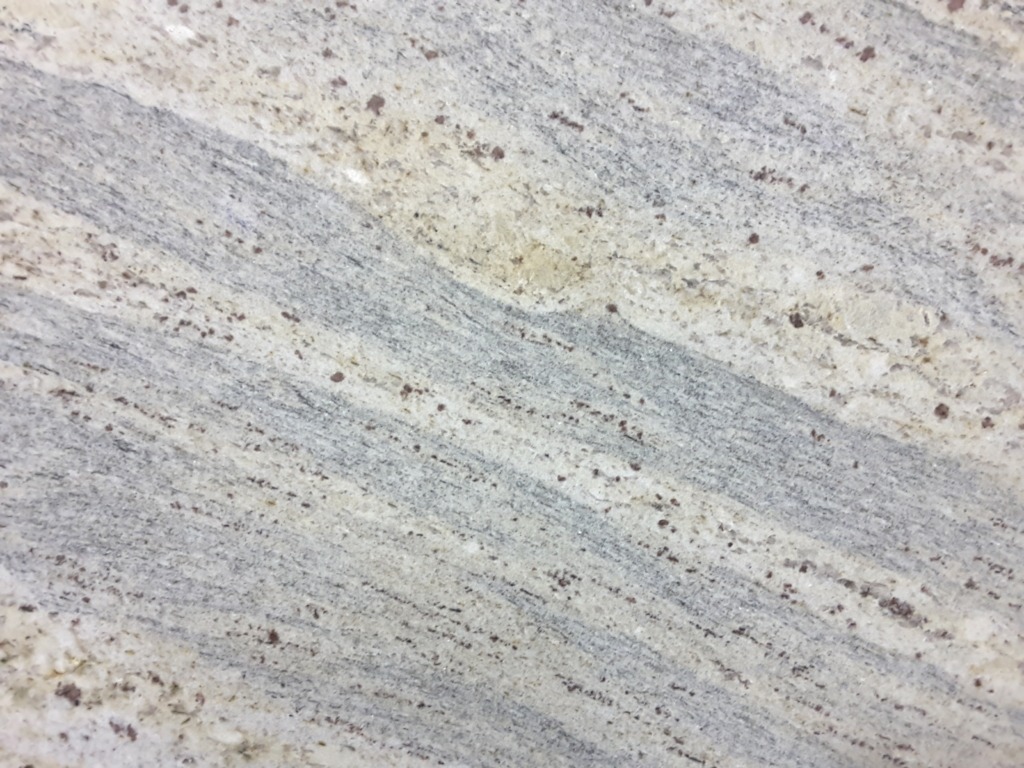
Strength. Granite is twice as strong as marble because it contains quartz.
Resistant to significant temperature changes. Granite always retains its performance and has a great appearance even at large temperature differences, unlike other materials. Temperature changes above 100 ° C are not dangerous for granite, so it can be used in the most extreme conditions.
Resistance to damage by microorganisms. Granite is naturally resistant to bacteria, but this does not mean it is impervious to germs. Regularly sealing the stone helps the surface resist liquids that can harbor bacteria. Sealing granite closes the tiny crevices and pores where bacteria can thrive.
Fire resistance. Granite is typically heat resistant up to temperatures of ±250°C (±480°F), although direct application of localized heat sources is discouraged, since strong thermal gradients within the stone can initiate cracking.
Frost resistance. Granite shouldn’t crack in cold weather, as long as it’s properly sealed.
Low water absorption coefficient. Granite is a natural, porous material which can absorb liquids such as water or oil. When absorbed, liquids can leave a dark colored spot in the stone. Water will evaporate in time but oil substances can leave stains if not wiped up within minutes.
Deformation resistance.Granites are polymineralic rocks and because of this they display polyphase deformation by one of the three end-member types of mechanical and microstructural behavior.
Resistant to physical and chemical damage.
Granite countertops are very resistant to chemicals. Acids and bases will not harm the material. Do be careful of repeated use, though, as some chemicals will wash away the sealer over time, causing the need for re-sealing before the recommended time.
Skaityti daugiauSkaityti mažiau